






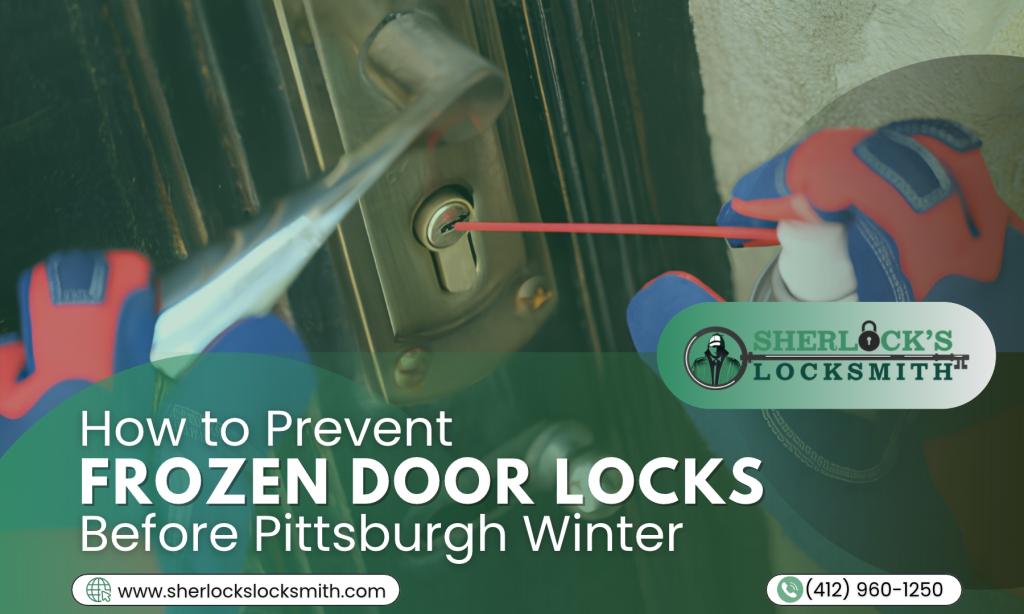
You turn your front-door key on a cold morning, but it barely moves. Your gloves are wet, and you’re late. Frozen door locks can turn a normal start into a lockout, especially after rain or melting snow reaches the hardware. What can you do before that happens?
The best defense is to keep moisture out, use the right lock lubricant, and fix doors that no longer latch smoothly. You need not take the lock apart. These steps help, but bent keys and damaged deadbolts need professional attention.
Why Frozen Door Locks Happen
Water can slip through a keyway, collect near a latch, or form through condensation. When it freezes, the moving parts may seize. Dirt and old lubricant can make a stiff lock worse, but a jam is not always ice.
Pittsburgh’s late-fall weather brings wet days and freezing nights. In neighborhoods such as Greenfield and Squirrel Hill, an exposed side entrance may face more rain than a front door under a porch. Check where the water reaches the hardware before choosing a fix.
Start With a Five-Minute Door Check
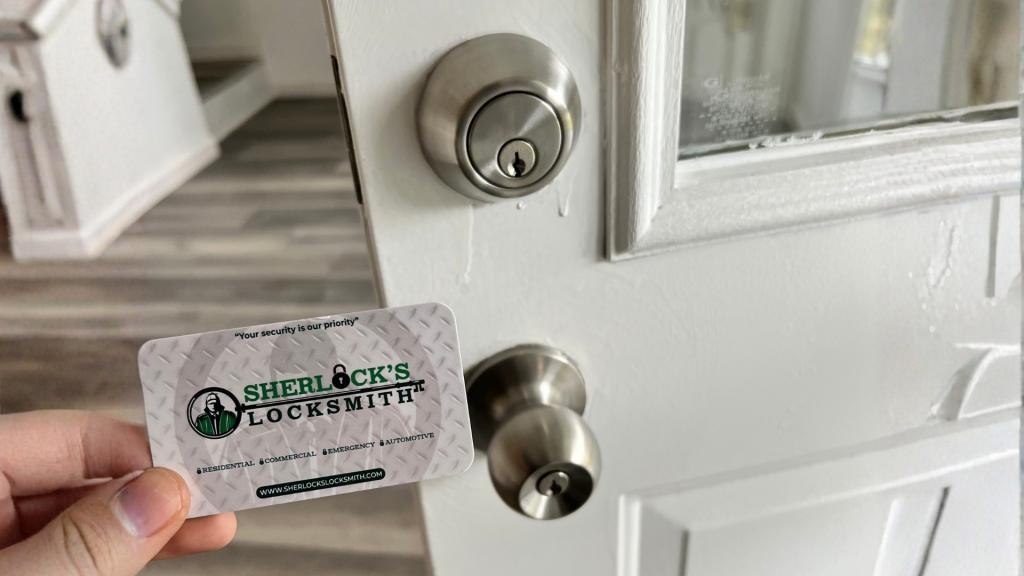
Before the first hard freeze, test each exterior deadbolt while the door is open. Does the key turn easily? Does the latch move without scraping? Then close the door and try again without pushing or lifting it.
If the key works with the door open but binds when shut, the lock may be fine. The bolt may miss the opening in its strike plate, the metal fitting on the frame. Do not force it closed. A winter tune-up should address the fit, not only the cylinder. That helps avoid needless lubricant.
Use the Right Lubricant Before Temperatures Drop
One-size-fits-all advice can damage a lock. Some cylinders allow a small amount of graphite; others call for a dedicated spray or PTFE lubricant. Certain makers advise against graphite or silicone entirely. Check the model’s care instructions or ask a locksmith before adding anything.
For instance, Master Lock’s padlock guidance recommends its PTFE product, not graphite or silicone. ASSA ABLOY’s lock guidance recommends approved lock spray before winter. Follow the instructions for your own deadbolt rather than copying advice meant for a padlock.
Apply only the amount specified. Avoid household cooking oil, thick grease, and mixed products inside the keyway. They can trap dirt or leave a sticky buildup. Proper winter door lock maintenance protects the mechanism without flooding it.
Keep Rain and Snow Away From the Keyway
A storm door, sheltered entry, or suitable lock cover may reduce direct exposure. For an uncovered side door, choose a cover designed for its hardware. Make sure it does not block the key or interfere with normal exit.
Inspect the top and sides of the door for torn weatherstripping. Check whether the sweep at the bottom touches the threshold as intended. Do not pack gaps with towels or tape that could prevent the door from closing and locking.
After a thaw, wipe moisture from the outside of the handle and cylinder. Keep gutters and downspouts from spilling onto the entry. If the keyway faces driving rain, ask whether a weather-rated cover suits that lock. These steps help prevent frozen locks by reducing the water that reaches them in the first place.
Frozen Door Locks or a Door That No Longer Fits?
Winter can reveal a door problem that started months earlier. Worn hinges, a loose strike plate, or a swollen wooden edge can make the deadbolt bind. You may notice that you have to pull the handle upward before the key turns.
Try the open-door test again on a mild day. If it works open but not closed, ask for a frame and latch inspection. A door adjustment and realignment services project from Sherlock’s shows a latch-fit check during a Pittsburgh handle replacement.
For a full pre-winter review of entry hardware, see residential locksmith services in Pittsburgh. A well-fitted door protects both the lock and the weather seal.
How to Unfreeze a Door Lock Without Damaging It
If the key will not enter or turn after a freeze, stop before applying force. First, check whether the door itself is iced to the frame. A latch that moves normally but a door that will not open may point to frozen seals instead.
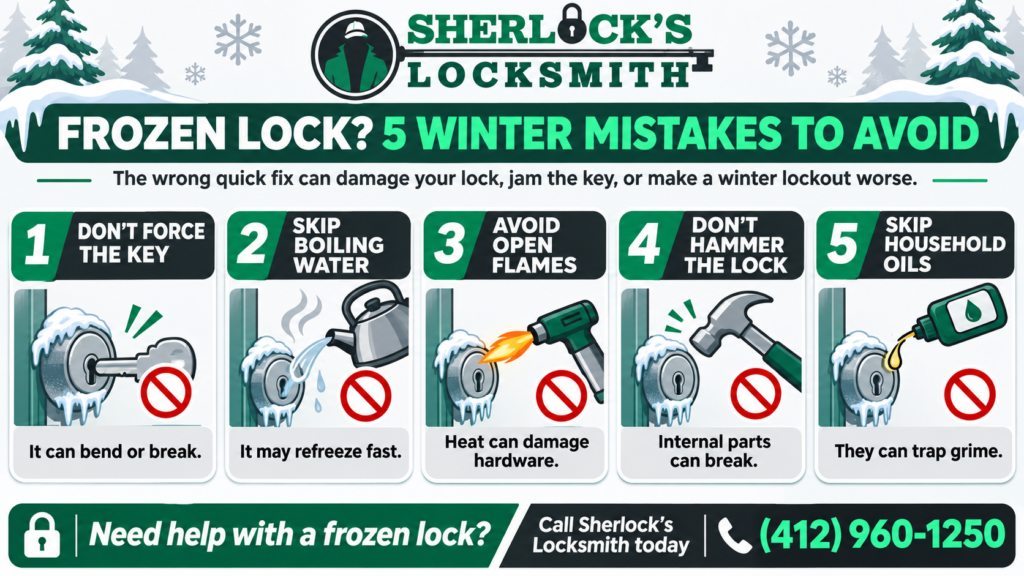
For a suspected frozen keyway, use a lock-specific de-icer according to its label, if the lock maker allows it. Keep the product away from flames and electrical parts. You can also warm a plain metal key in your hands, then try gently. Never heat it with a flame.
These lock de-icer tips matter because boiling water can refreeze and make the problem worse. Do not use a torch, hammer the key, or force the cylinder. If careful thawing fails, leave the hardware alone and call a professional. A broken key adds another problem.
When Frozen Door Locks Call for a Locksmith
A lock that freezes once after driving rain may need cleaning and a moisture check. When frozen door locks keep returning, the cause may be corrosion, worn pins, a damaged cylinder, or a door that never aligns correctly.
Call if the key bends, the lock remains stuck after safe thawing, or the door cannot be secured. If you are outside in unsafe cold, move somewhere warm rather than continuing to struggle with the key. Sherlock’s 24/7 emergency lockout service covers urgent home access problems in Pittsburgh.
A Pittsburgh winter locksmith can assess whether servicing, rekeying, or replacement makes sense. Rekeying changes which key works; it does not remove rust or repair a failed latch.
A November Checklist to Prevent Frozen Door Locks
Before tenants travel or holiday guests arrive, walk every exterior entrance. Include basement doors and shared rear entries, not just the front door.
- Test the key and bolt with each door open, then closed.
- Check weatherstripping, door sweeps, and water runoff.
- Replace badly worn keys and keep a spare with someone you trust.
- Check each lock’s approved cleaning and lubricant instructions.
- Record recurring sticking, rust, and loose handles for service.
For rental homes, give tenants a clear way to report stiff locks. Do not wait for the first lockout to ask who is responsible for a repair. A short November check can prevent a longer problem in January.
Make Sure the Door Is Ready Before the Next Freeze
Smart prevention is not about coating every keyhole with spray. It is about keeping water away, using the right product, and making sure each door closes without a struggle. Those steps offer a better chance of avoiding frozen door locks during Pittsburgh’s colder months. Your lock should work without needing a hard twist of the key.
Sherlock’s Locksmith helps homeowners and landlords with lock care, door hardware, and emergency access. If a deadbolt sticks or a door needs adjustment, contact Sherlock’s Locksmith today or call (412) 960-1250. Describe which entry is affected and whether the lock works with the door open. That gives the team a useful starting point before winter trouble turns into a lockout.