




Replacing a smart key can be costly and complex due to its advanced technology. Here’s what you need to know:
- Cost Range: $205–$513 for most vehicles; up to $1,020 for luxury brands like BMW or Mercedes-Benz.
- Types of Smart Keys: Keyless entry fobs, proximity keys with push-to-start, and transponder/flip keys.
- Replacement Process: Combines physical key cutting (if applicable) and electronic programming, often requiring specialized tools and manufacturer-specific software.
- Timeframe: 30–90 minutes for most replacements; longer for luxury or complex systems.
- Key Features: RFID technology, encrypted rolling codes, and advanced security measures.
- Professional Services: Locksmiths offer on-site services, often cheaper and faster than dealerships.
Smart keys enhance security and convenience but require expertise for replacement. Always work with certified locksmiths to ensure proper functionality and safety.
Here’s How I Saved $500 On A New Key FOB For My Car
Types of Smart Keys and Their Features
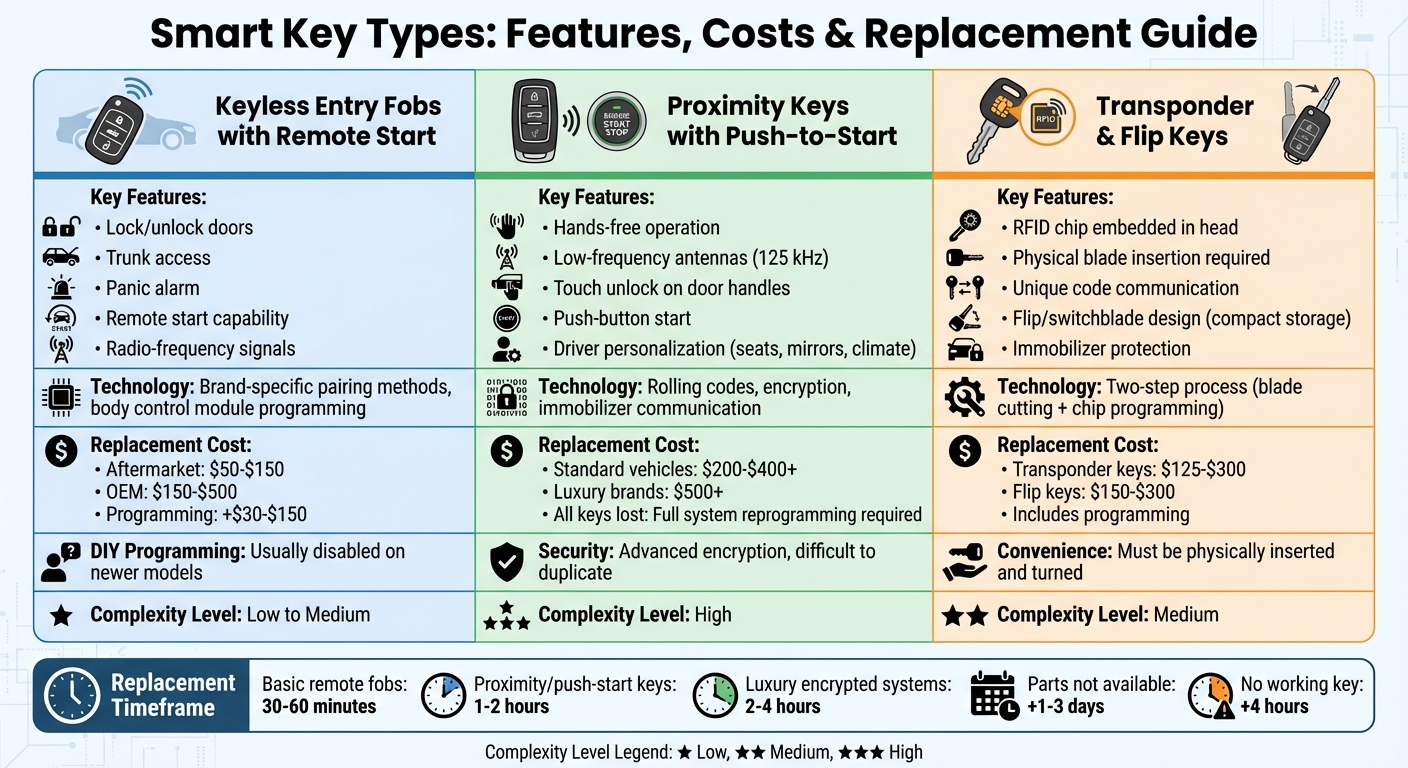
Smart Key Types Comparison: Costs, Features and Replacement Times
Smart keys come in several types, each with its own set of features, replacement costs, and programming requirements. In the U.S., the three main types are keyless entry fobs with remote start, proximity keys with push-to-start, and transponder or flip keys. Let’s take a closer look at each type and what makes them distinct.
Keyless Entry Fobs and Remote Start Systems
Keyless entry fobs are the simplest electronic option, designed to lock and unlock doors, open the trunk, and activate a panic alarm using radio-frequency signals. Many modern versions also include a remote start feature, which lets you start the engine from a distance – a useful perk during extreme weather.
Replacing these fobs isn’t as straightforward as buying a new one. Automakers use brand-specific pairing methods, meaning the new fob must be programmed to your vehicle’s body control module using specialized tools. On newer models, DIY programming is usually disabled. Replacement costs can range from $50 to $150 for aftermarket fobs or $150 to $500 for OEM versions, plus an additional $30 to $150 for programming. Professional locksmiths often handle this process on-site, ensuring the lost fob is removed from the system to prevent unauthorized use.
Proximity and Push-to-Start Smart Keys
Proximity smart keys take convenience to another level. These keys work without ever leaving your pocket or bag. Low-frequency antennas in the door handles detect the key’s presence, allowing you to unlock the car with a simple touch. Once inside, starting the engine is as easy as pressing a button – no physical key insertion required. Some systems even offer driver personalization, automatically adjusting seat positions, mirrors, and climate settings based on the detected key.
These keys rely on rolling codes and encryption to communicate securely with the car’s immobilizer, making them very difficult to duplicate. Replacing a proximity key is more complicated than other types. Technicians must register the new key with the vehicle’s systems, often requiring secure PINs or access to manufacturer databases. Replacement costs typically fall between $200 and $400+ for standard vehicles and can exceed $500 for luxury brands. If all keys are lost, the entire system must be reprogrammed, which requires advanced equipment. Companies like Sherlock’s Locksmith in Pittsburgh offer mobile services to handle proximity key programming on-site, saving you the hassle of towing your car.
Transponder Keys and Flip Keys
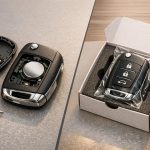
Transponder keys look like traditional keys but include a small RFID chip embedded in the head. This chip communicates a unique code to the car’s immobilizer when the key is inserted into the ignition. If the code doesn’t match, the engine won’t start – even if the key blade is cut perfectly. Flip keys, also known as switchblade keys, combine the functionality of a transponder key with a folding blade for compact storage.
Replacing these keys involves two steps: cutting the blade to fit your car’s locks and programming the chip to work with the immobilizer. Costs for transponder keys typically range from $125 to $300, while flip keys fall between $150 and $300, including programming. The main challenge lies in finding the correct blank for your car model and ensuring the chip and any remote buttons are properly paired. While these keys are generally less expensive than proximity keys, they lack the hands-free convenience of push-to-start systems, as they must be physically inserted and turned in the ignition.
The Smart Key Replacement Process
Replacing a smart key isn’t as simple as cutting a traditional key. It requires specialized tools, detailed knowledge of specific car brands, and adherence to strict security measures. Professional locksmiths follow a step-by-step process that typically takes between 30 to 90 minutes, depending on the vehicle’s complexity and whether you still have a working key.
Key Identification and Verification
Before anything else, locksmiths confirm the vehicle’s ownership by checking the VIN (Vehicle Identification Number) and documents like your registration, insurance card, or title. This ensures that no unauthorized duplicates are made.
With ownership confirmed, the locksmith uses diagnostic tools to determine the exact key type needed. This could be a basic transponder key, a proximity smart key, or a flip key with remote functions. Many fobs also include a hidden mechanical backup blade, typically tucked behind a plastic cover. For example, Mercedes-Benz keys often feature an emergency blade that requires precise laser cutting.
Once the key type is identified, the locksmith moves on to cutting and programming.
Key Cutting and Programming
The next step involves creating a physical key and programming the electronic components. If your smart key includes a mechanical backup blade, the locksmith uses a computerized key cutter to create a precise duplicate that fits your car’s locks and ignition. This part usually takes 10 to 15 minutes but is critical for vehicles that rely on a physical key for emergencies.
The real challenge lies in programming the smart key’s electronics. Using advanced tools like AutoProPad programmers and brand-specific software, the locksmith connects to your car’s engine control unit (ECU) through the OBD-II port. For proximity keys, the fob’s unique ID must be registered with the car’s low-frequency antennas (operating at 125 kHz), ensuring proper synchronization of the rolling code encryption. Vehicles from brands like BMW and Mercedes-Benz often require certified software to avoid triggering immobilizer issues. Programming typically takes 20 to 40 minutes but can take longer if the entire system needs to be reprogrammed.
Testing and Security Measures
Once programming is complete, the locksmith conducts a thorough test to ensure the key works seamlessly. This includes verifying proximity unlocking at all doors, testing the push-button start, and checking all remote functions. They also confirm that the rolling code communication is functioning correctly and test the signal strength for remote features, which should work up to 20 meters away.
If your original key was lost or stolen, an extra security step is taken. The locksmith uses ECU programming tools to delete the old key’s ID from the vehicle’s memory, preventing unauthorized access. For instance, Doug Watson, a customer who had a key replaced, shared in a review how a technician from Sherlock’s Locksmith went above and beyond when one key failed, diligently troubleshooting before replacing and programming a new one that worked perfectly. This final step, which takes about 10 to 20 minutes, highlights the difference between professional services and basic key duplication.
Mobile locksmiths, like Sherlock’s Locksmith in Pittsburgh, bring all the necessary tools directly to your location – whether you’re at home, at work, or stuck on the roadside. This convenience saves you from costly towing fees and long waits at the dealership.
sbb-itb-643e28e
Costs and Factors Influencing Smart Key Replacement
Replacing a smart key can cost differently depending on your car’s technology. For instance, basic remote key fobs typically cost between $50 and $150 for the hardware, plus another $50 to $100 for programming. On the other hand, proximity smart keys – which rely on advanced RFID technology – can range from $200 to $500 due to their intricate programming requirements. Locksmiths use specialized tools and software to ensure your new key works seamlessly and securely. Let’s break down the costs by key type for a clearer picture.
Typical Costs for Different Key Types
The type of key your car uses largely determines the replacement cost. For example:
- Transponder keys (those with embedded chips) usually cost between $125 and $250, including programming.
- Switchblade or flip keys fall in the range of $150 to $300.
- Vehicles with push-to-start proximity systems often cost $200 to $400, but certain models – like those from Honda, Nissan, or Toyota – can reach $450 to $600 due to their specific programming needs.
Luxury brands are at the higher end of the spectrum. For instance, BMW smart keys can cost anywhere from $700 to $1,200, while systems from Mercedes-Benz, Lexus, and Audi typically range between $500 and $1,500. These higher costs are often due to proprietary encryption and the need for dealer-grade tools and software.
Factors That Affect Pricing
Several factors can influence the price of a smart key replacement. For example, having a spare working key can lower costs by 20–50%. A proximity key that might cost $400 without an original could drop to $200 if a locksmith can clone it rather than reprogramming the entire system.
The make and model of your vehicle also play a significant role. For instance:
- Toyota and Honda systems often require additional programming steps, adding $100 to $300 to the base price.
- BMW and Mercedes-Benz replacements can exceed $800, thanks to proprietary encryption and the need for specialized tools.
Newer cars with advanced features – like biometric integration or enhanced security systems – can cost 50–100% more than older models. For example, replacing a key for a car built after 2010 might cost $400–$1,000, while older vehicles with simpler transponder chips typically range from $100 to $300.
Timeframes for Replacement
The time it takes to replace a smart key varies depending on the type of key and the complexity of the system:
- Basic remote fobs generally take 30–60 minutes to cut and program, provided the locksmith has the right blank and software.
- Proximity and push-to-start smart keys require 1–2 hours due to the extra steps needed for RFID registration and sensor calibration.
- For luxury vehicles with encrypted systems, the process can take 2–4 hours because of the additional verification protocols.
Certain factors can extend these timeframes. If specific parts aren’t readily available, you might face a 1–3 day waiting period for orders. Not having a working key can add up to 4 hours to the process, and dealer authorization for luxury systems can further delay things.
However, mobile locksmiths, such as Sherlock’s Locksmith in Pittsburgh, streamline the process. They bring all the necessary tools to your location, completing most replacements on-site in under 2 hours. This also saves you the cost of towing, which could otherwise add $100–$200 to your total bill.
Why Work with a Professional Locksmith for Smart Key Replacement
When your smart key stops working or goes missing, you’re left with three main options: attempting a DIY fix, visiting a dealership, or hiring a certified locksmith. Among these, professional locksmiths offer a practical, efficient, and often more affordable solution. They have the tools and expertise to connect with your vehicle’s computer system, handle brand-specific security protocols – like BMW’s advanced systems or Nissan’s intelligent keys – and synchronize RFID signals accurately, something DIY methods simply can’t achieve. These complexities highlight why professional assistance is worth considering.
Advantages of Certified Locksmiths
Certified locksmiths bring both advanced tools and up-to-date training to the table, allowing them to handle the latest vehicle security systems. Whether it’s programming transponder chips, proximity smart keys, or keyless fobs, they can work with nearly any make or model. They’re also skilled in more intricate tasks like rolling code generation and calibrating capacitive sensors. And here’s a bonus: locksmith programming costs usually range from $30 to $100, which is often cheaper than the $50 to $150 charged by dealerships.
Their technical know-how also enhances vehicle security. For instance, their diagnostic tools can verify chip codes in milliseconds, deactivate immobilizers, and prevent programming errors that might otherwise leave your car unusable. Unlike dealerships – which might require you to tow your car and wait days for a replacement – locksmiths often complete the job on-site, typically within 30 minutes to 2 hours, depending on the complexity of the key. In Pittsburgh, professional locksmiths even offer mobile services, making the process even more convenient.
Mobile Locksmith Services in Pittsburgh
Sherlock’s Locksmith provides 24/7 mobile services throughout Pittsburgh, PA, bringing all the necessary tools directly to your location. This eliminates the hassle and expense of towing your vehicle and gets you back on the road much faster. Their certified technicians come equipped with portable programming devices, key-cutting machines, and vehicle-specific software to handle everything from basic fobs to advanced proximity systems with push-button start.
The on-site service is particularly valuable in emergencies. Whether you’re locked out in the middle of the night or your key fails just before an important trip, their same-day service ensures you’re not left stranded. Many customers have praised their quick response and efficient work during urgent situations.
Security Best Practices During Key Replacement
Professional locksmiths follow strict security protocols during key replacement to ensure your vehicle remains protected. For starters, they verify ownership by requesting your VIN, vehicle registration, and identification before programming a new key. This ensures that only legitimate owners can obtain replacements.
Another critical step is deactivating old keys from your vehicle’s system. Failing to remove previous keys can leave your car vulnerable to theft. Locksmiths use specialized diagnostic software to erase outdated codes completely, which is especially important for systems like Keyless-Go. Without this step, old keys could potentially be used in relay attacks.
After programming a new key, locksmiths thoroughly test all functions – such as proximity unlock, push-start, and remote features – to make sure everything works as it should. They also recommend creating at least one spare key during the initial programming session and storing it in a secure, off-site location, preferably in an RFID-blocking pouch. Having a backup key not only prevents future lockouts but also saves you from needing a full reprogramming if your main key fails. Regularly testing your spare key is a smart way to ensure it stays synced and ready to use.
Conclusion
Replacing a smart key involves more than just swapping out a physical key – it’s a process that requires electronic pairing, immobilizer synchronization, and encrypted signals to ensure your vehicle stays secure. Trying to handle this yourself or using uncertified services might seem like a way to save money, but it often leads to costly mistakes, like programming errors or immobilizer lockouts, which can erase any initial savings from cheaper fobs or blanks.
That’s why turning to a professional is crucial. Certified automotive locksmiths have the tools and knowledge to identify, cut (if needed), program, and test your new key properly. They also follow strict security protocols, including verifying ownership, to protect your vehicle’s system. If you’re in Pittsburgh, Sherlock’s Locksmith offers 24/7 mobile services, bringing their expertise directly to you – saving you the hassle of towing fees and dealership delays.
Planning ahead can save you both time and money. Consider ordering a spare key while your current one is still functional, as programming is much easier and less expensive when you already have a working key. Store the spare in a safe place and keep the contact information of a trusted locksmith handy. These simple steps can help ensure your vehicle remains secure and ready for use.
You don’t need to dive into the complex details of smart key systems – leave that to the experts. By relying on certified locksmiths, keeping a backup key, and staying prepared, you can avoid unnecessary stress and expenses while keeping your vehicle secure and accessible.
FAQs
What influences the cost of replacing a smart key?
Several things can influence how much it costs to replace a smart key. These include the kind of smart key required, your vehicle’s make and model, and whether a new key needs to be programmed or an existing one reprogrammed. Features like keyless entry or push-to-start systems can also add to the price.
If you’re not certain about what’s needed for your smart key replacement, reaching out to a professional locksmith can help. They can explain the process and give you a precise estimate.
How do locksmiths keep a new smart key secure?
Locksmiths play a crucial role in safeguarding your smart key by leveraging advanced programming tools. These tools help ensure that only authorized users can access the key, reducing the risk of tampering or unauthorized use. Additionally, locksmiths thoroughly test the key to confirm it functions seamlessly and is properly synced with your vehicle or lock system.
To bolster security, locksmiths often incorporate features such as encryption and unique coding. These measures make it significantly harder for anyone to duplicate or hack the key, ensuring it performs reliably while keeping your property secure.
Why should I hire a certified locksmith for smart key replacement?
When you hire a certified locksmith for your smart key replacement, you’re ensuring the job is handled with care and precision. These professionals come equipped with the knowledge, specialized tools, and training needed to work on advanced key systems without risking damage to your car or its security.
Certified locksmiths adhere to strict industry standards, so you can trust that the replacement will be both dependable and secure. By choosing a certified expert, you minimize the chance of expensive errors and guarantee that your smart key will work exactly as it should.