




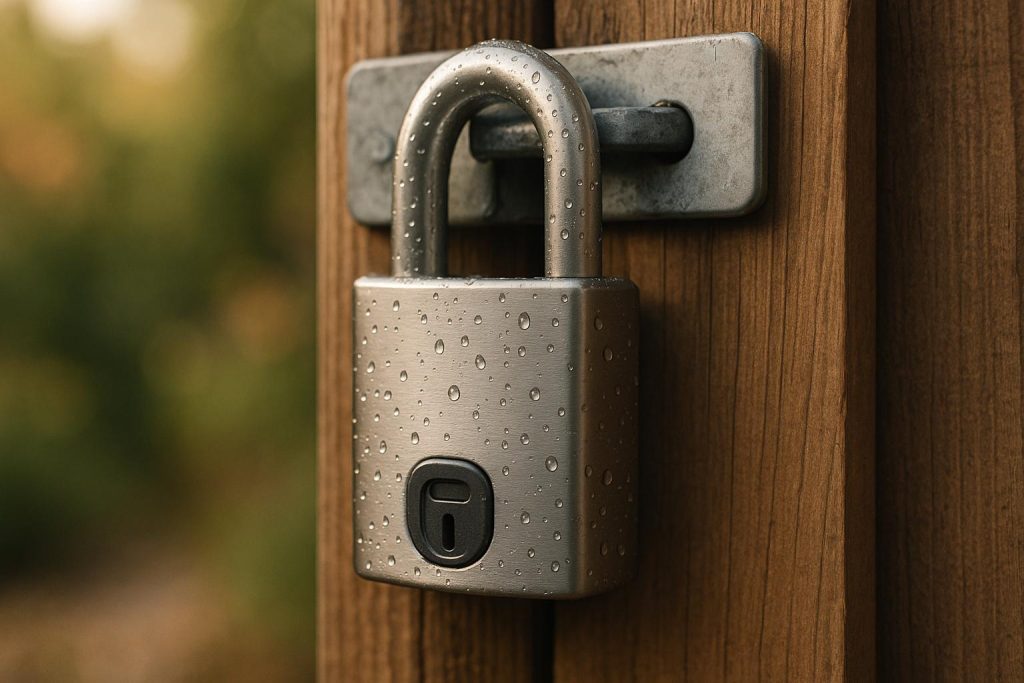
Weather-resistant locks are designed to endure harsh conditions like rain, snow, humidity, UV rays, and salt air. They use durable materials such as stainless steel, brass, or hardened alloys, along with protective coatings and sealed mechanisms to prevent rust and jamming. These locks are ideal for securing gates, sheds, garages, fences, and storage units, ensuring reliable performance in any climate.
Key Takeaways:
- Why It Matters: Standard locks often fail outdoors due to rust or freezing, leaving your property vulnerable.
- What to Look For: Choose locks with corrosion-resistant metals, sealed keyways, and protective coatings. In coastal areas, prioritize marine-grade options.
- Maintenance Tips: Regular cleaning, lubrication, and seasonal checks can extend a lock’s lifespan.
- Smart vs. Mechanical Locks: Mechanical locks are low-maintenance and reliable in extreme cold, while smart locks offer convenience but require battery upkeep.
For tailored advice or installation, locksmiths like Sherlock’s Locksmith in Pittsburgh, PA, can recommend solutions suited to your local weather and security needs.
How Weather Damages Outdoor Locks
Environmental Threats to Locks
Outdoor locks face a constant battle against the elements, unlike their indoor counterparts, which remain protected from harsh weather.
Rain and humidity are among the most common problems. Water seeps into keyways, shackles, and seams, collecting inside the lock. This trapped moisture causes rust and corrosion to develop on internal components like springs, pins, and tumblers. Over time, this increases friction, making keys stick, turn only partially, or not rotate at all. Locks without drainage channels or protective covers are especially vulnerable, as water becomes trapped inside, accelerating damage and weakening the metal. Weakened locks are not only less reliable but also easier to break.
Snow and ice create a different set of challenges, particularly in colder regions of the U.S. When water inside the lock freezes, it expands, preventing key insertion and locking mechanisms from functioning. Ice buildup around exposed shackles or latches can also block movement, even if the internal parts are unaffected. Repeated cycles of freezing and thawing can crack thin metal components, damage seals, and widen gaps in poorly sealed lock bodies, allowing even more moisture and debris to enter.
UV rays and extreme heat are less obvious but equally damaging. Sunlight can degrade plastic and rubber components, causing them to become brittle. Dark metal surfaces absorb heat during summer, which can thin out lubricants and speed up oxidation on unprotected metals. In areas with significant temperature shifts, materials like steel, brass, and plastic expand and contract at different rates, leading to misaligned parts, loose tolerances, and stressed finishes. These issues can eventually make the lock difficult to operate.
Salt air and high humidity are especially destructive in coastal areas. Constant dampness from high humidity promotes ongoing corrosion, even without direct rain exposure. Salt in the air accelerates rust and creates pitting on steel locks, quickly wearing down both interior and exterior components. Wind-blown debris mixed with old lubricant can further grind away at internal parts, causing locks to seize or fail.
Recognizing these environmental threats highlights why outdoor locks need to be specifically designed to handle such conditions.
Where Outdoor Locks Are Used
Outdoor locks are exposed to these challenges in a variety of everyday settings. For instance, yard gates and fence padlocks often endure direct rain, sunlight, and wind-blown debris, making them highly susceptible to corrosion and UV damage. Shed and outbuilding doors, while partially sheltered, still face humidity and temperature extremes that can compromise their internal mechanisms.
Other common applications include detached garages, often secured with hasps and padlocks, and outdoor storage units or contractor tool chests placed on concrete or gravel. These surfaces can trap standing water or grit, which attacks the lock from below. From residential gates to marine enclosures and utility boxes, outdoor locks in all these situations face similar weather-related threats.
Standard indoor or "light-duty" padlocks are not equipped to handle these conditions. They lack the corrosion-resistant materials, protective coatings, seals, keyway covers, and drainage channels that weather-resistant locks provide. For homeowners and businesses, particularly in areas with harsh winters or near coastal environments, upgrading to outdoor or marine-grade locks can prevent seized mechanisms, weakened components, and emergency lockouts caused by weather damage.
If locks are consistently sticking, rusting, or failing, it’s a good idea to consult a professional locksmith. For example, in Pittsburgh, PA, Sherlock’s Locksmith offers evaluations of outdoor locks on gates, garages, and storage areas. They can recommend and install durable, all-weather options designed to withstand snow, ice, and year-round moisture.
These challenges emphasize the importance of investing in high-quality, weather-resistant locks for outdoor use.
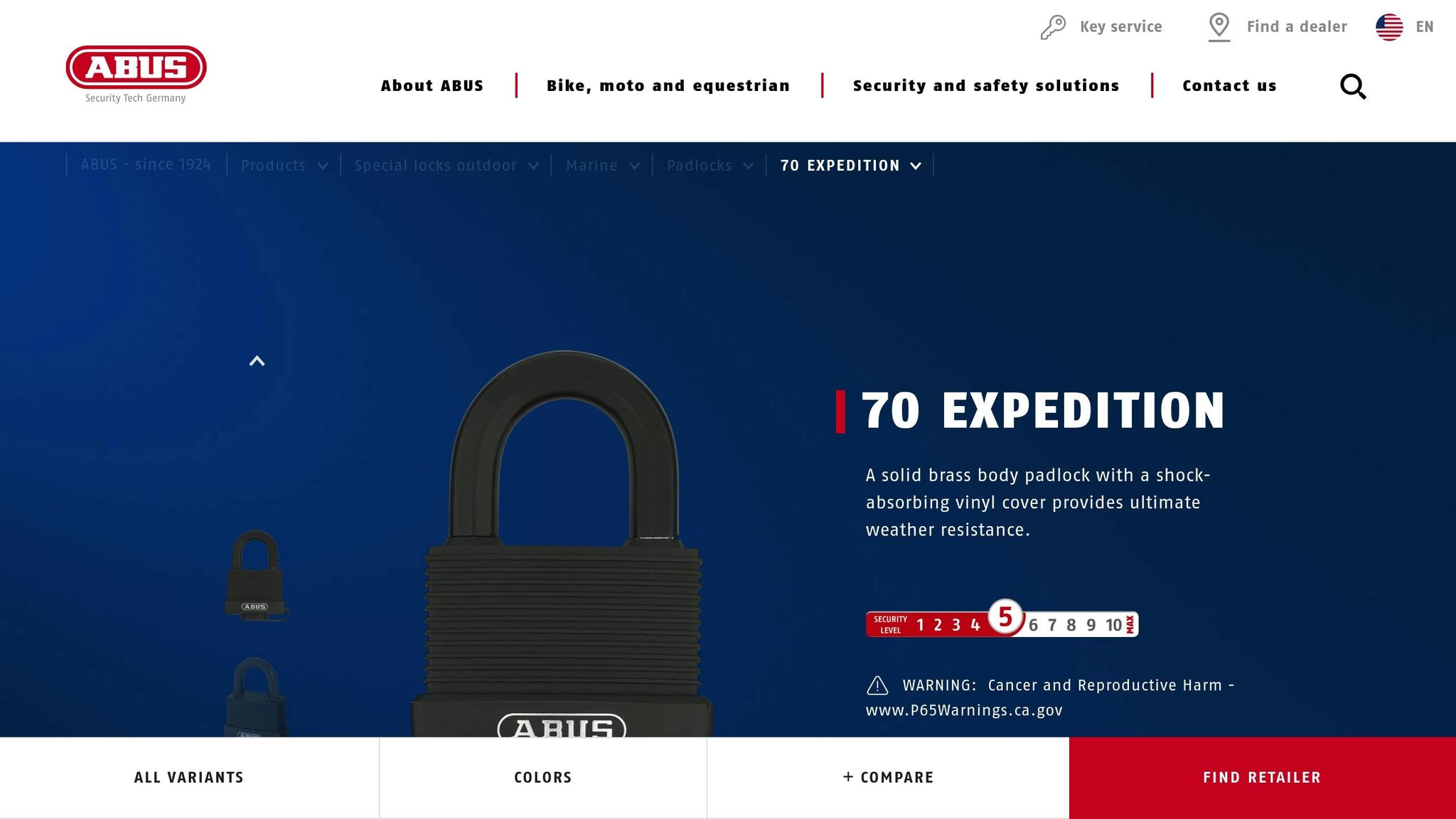
Review of the ABUS Expedition Weatherproof Padlock
Materials and Features of Weather-Resistant Locks
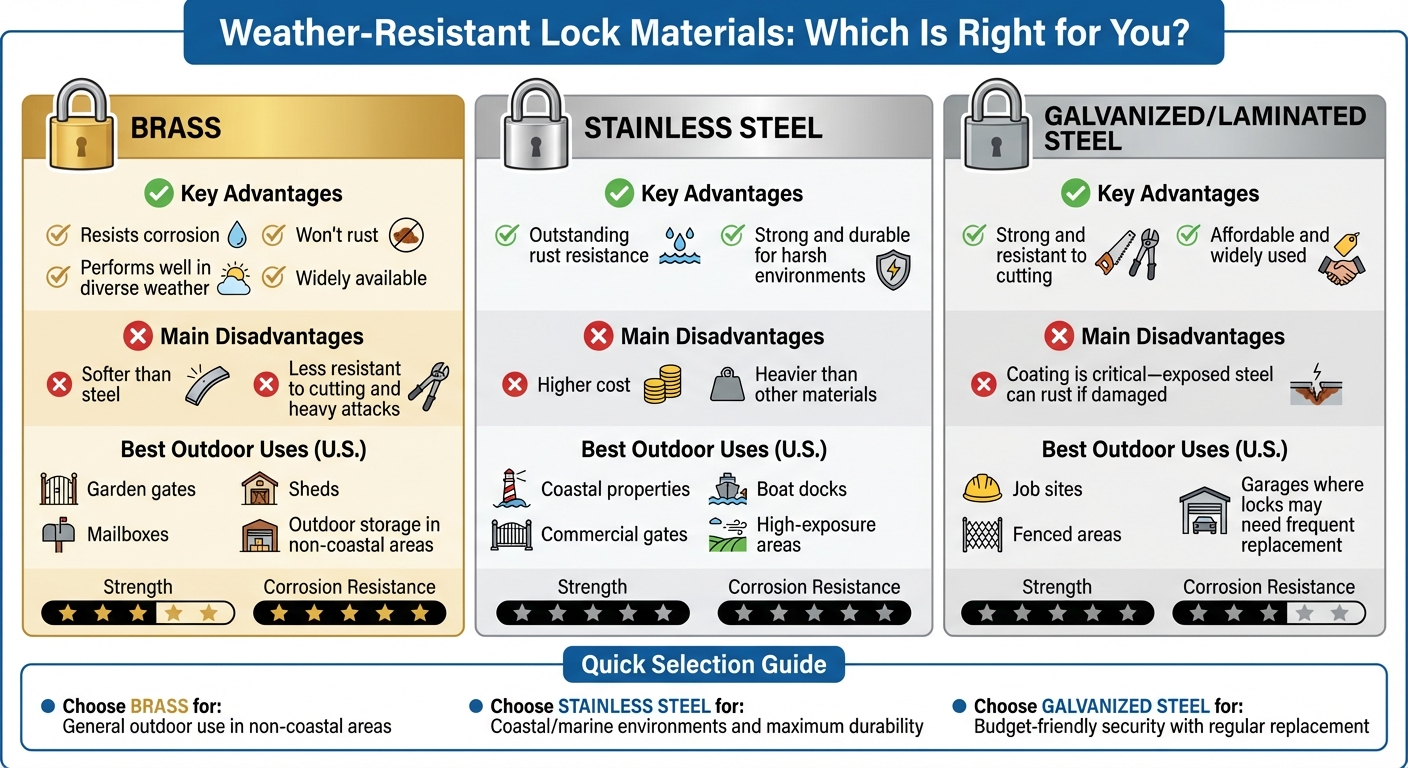
Weather-Resistant Lock Materials Comparison: Brass vs Stainless Steel vs Galvanized Steel
Weather-resistant locks are built to endure rain, snow, salty air, and temperature fluctuations. By understanding the materials and features that make a lock suitable for outdoor use, you can choose one that performs reliably throughout the year. Let’s explore the key elements that make these locks stand up to the challenges of the environment.
Weather-Protection Features
A good weather-resistant lock combines several protective elements to guard against the elements. Corrosion-resistant metals, such as stainless steel and brass, are commonly used because they resist rust caused by rain, humidity, and snow. Many locks also feature outer coatings like vinyl or thermoplastic, which help shield against moisture, dirt, and UV rays. These coatings not only slow down corrosion but also protect the lock from physical damage.
To keep water, dust, and ice from interfering with the lock mechanism, sealed keyways and rubber gaskets are essential. These features prevent freezing and ensure the pins within the lock don’t seize. For added protection, covered or shrouded shackles minimize exposed metal, reducing rust and making it harder for bolt cutters to grip. Some locks even include drainage channels to direct water out of the mechanism, preventing it from freezing inside.
In coastal or humid environments, marine-grade locks are a must. These locks are built with stainless steel bodies, brass or stainless shackles, and rustproof internal parts to withstand constant exposure to salt air. For example, certain marine-grade padlocks combine stainless steel construction with drainage channels to handle the challenges of salty environments.
When shopping for a weather-resistant lock, look for terms like "weatherproof", "all-weather", or "marine-grade" on the packaging. Check the specifications for details on corrosion-resistant materials, sealed keyways, and protective coatings. For smart or digital locks, an IP rating of at least IP65 ensures protection against heavy rain and dust, while higher ratings like IP66 or IP67 are better for extreme or coastal conditions.
Materials and Coatings Comparison
Different materials offer varying levels of corrosion resistance, strength, and cost. Here’s how they stack up:
| Material | Key Advantages | Main Disadvantages | Best Outdoor Uses (U.S.) |
|---|---|---|---|
| Brass | Resists corrosion; won’t rust; performs well in diverse weather; widely available | Softer than steel; less resistant to cutting and heavy attacks | Ideal for garden gates, sheds, mailboxes, and outdoor storage in non-coastal areas |
| Stainless Steel | Outstanding rust resistance; strong and durable for harsh environments | Higher cost; heavier than other materials | Perfect for coastal properties, boat docks, commercial gates, and high-exposure areas |
| Galvanized/Laminated Steel | Strong and resistant to cutting; affordable and widely used | Coating is critical – exposed steel can rust if the coating is damaged | Suitable for job sites, fenced areas, and garages where locks may need frequent replacement |
Many outdoor locks combine these materials with vinyl or thermoplastic coatings for added protection against impact and corrosion. For instance, the Master Lock 1175 pairs a brass body with a boron-carbide shackle and a vinyl weather cap, ensuring durability in tough conditions.
When deciding on a lock, it’s also important to weigh the benefits of mechanical versus digital options.
Mechanical vs. Digital Weather-Resistant Locks
Mechanical locks rely on physical components like springs and metal parts. Their weather-resistant features include corrosion-resistant metals, sealed keyways, and durable coatings. These locks are ideal for simple, low-maintenance outdoor security needs, such as gates, sheds, and utility boxes. They’re particularly well-suited for areas where extreme cold or neglect might make electronic options less reliable. Marine-grade mechanical locks are especially durable in harsh environments.
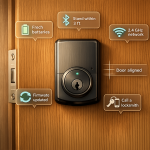
On the other hand, digital or smart weather-resistant locks integrate electronic components like keypads or wireless modules. These locks are designed with sealed housings and protective covers to keep moisture and dust away from circuit boards, keypads, and batteries. They offer features like PIN codes, Bluetooth, or app-based access, making them a great choice for homeowners or businesses that need to manage multiple users. For example, the American Lock A5400 series combines stainless steel construction with rekeyable cylinders for reliable outdoor use.
While digital locks require battery replacements and occasional firmware updates, mechanical locks only need basic lubrication and inspections. If you’re securing a remote or rarely accessed area, mechanical locks are the better option. For locations that need frequent access and flexible control, digital locks are worth the extra upkeep.
How to Choose the Right Weather-Resistant Lock
Finding the right weather-resistant lock means considering the specific security needs of your property and the environmental challenges it faces. For instance, a backyard gate in a quiet suburb won’t need the same level of protection as a detached garage filled with valuable tools. Similarly, a lock in humid, coastal Florida faces different wear-and-tear than one in inland Pennsylvania. Matching the lock to your unique situation ensures effective security without overspending or leaving vulnerabilities.
Evaluate Your Location and Weather Conditions
Start by assessing what you’re securing and the risks involved. A simple outdoor padlock might work for a suburban gate, but a shed with expensive equipment may call for a heavy-duty padlock paired with a hasp or even a high-security deadbolt. Think about the exposure: Will the lock face rain, snow, or sprinklers? How often will it be used, and who needs access – just your family, or also tenants, contractors, or others?
Your local climate is just as important. In coastal regions, marine-grade locks are essential to combat salt air corrosion. Areas with freeze-thaw cycles, like the Midwest or Northeast, benefit from locks with sealed keyways and drainage channels to prevent freezing. Meanwhile, in hot, sunny states like Arizona, locks with UV-resistant coatings and heat-tolerant lubricants are a better fit. For locks exposed to the full force of the elements, prioritize those labeled weatherproof or all-weather, which feature strong seals and corrosion-resistant materials. If the lock is partially sheltered, a standard outdoor-rated model might do the trick.
For expert advice, locksmiths like Sherlock’s Locksmith in Pittsburgh, PA, can evaluate your environment and recommend the best options.
Once you’ve considered exposure, it’s time to choose a lock type that balances environmental durability with the right level of security.
Choose the Right Lock Type
With your exposure risks in mind, select the lock type that best suits your needs. Outdoor padlocks are a versatile choice for gates, chains, sheds, and storage units. Opt for models made of brass, stainless steel, or weather-coated steel, and consider shrouded shackles to deter bolt cutters. For gates and fences, medium-length shackles usually fit standard posts, while larger chain links may require long-shackle padlocks with hardened steel.
For more permanent security, deadbolts are ideal for structures like detached garages or outbuildings. These locks resist prying better than padlocks but must be installed on solid doors and frames. Look for deadbolts with corrosion-resistant components and pair them with weather-rated hardware for outdoor use.
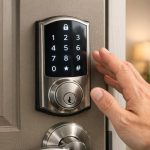
If convenience is a priority, smart outdoor locks might be the way to go. These locks offer features like PIN codes, app control, and temporary access codes, making them great for rental properties, shared spaces, or frequently accessed gates. Just be sure the lock is rated for outdoor use and has proper sealing to protect against moisture and dust.
Understanding Product Specifications
When shopping, you’ll encounter labels like "weatherproof," "all-weather," or "marine-grade" – but these terms aren’t standardized. To ensure you’re getting the right protection, dig into the technical details about materials, seals, and any formal ratings.
For smart or electronic locks, check the IP rating (Ingress Protection) to gauge resistance to solids and water. An IP54 rating is sufficient for covered outdoor areas, while IP65 to IP67 is better for locks exposed to direct rain or hose spray. Mechanical padlocks may not list IP ratings but should mention features like sealed keyways, rubber gaskets, or protected internals for outdoor use. Don’t forget to check the operating temperature range – many outdoor smart locks are rated for -4°F to 140°F, which covers most U.S. climates. For coastal or industrial areas, look for terms like "rustproof internals" or references to salt-spray testing.
Beyond weather resistance, consider security features. Hardened steel or boron-alloy shackles are harder to cut, and shrouded designs limit access for bolt cutters. Locks with four or more pin tumblers or dual-ball locking mechanisms offer better pick resistance. If multiple people need access, resettable combination padlocks eliminate the hassle of managing keys. Smart locks, on the other hand, provide digital keys and audit trails but require occasional battery changes and firmware updates for maintenance.
sbb-itb-643e28e
Maintaining Weather-Resistant Locks
Keeping weather-resistant locks in good condition requires regular attention. Dirt, moisture, and temperature swings can lead to sticking, rust, or even complete failure if maintenance is overlooked. A little effort each season can go a long way in extending the life of your locks and avoiding those frustrating moments when they won’t budge.
Seasonal Maintenance Tips
Since each season brings unique challenges, it’s smart to tailor your lock care accordingly.
- Spring: After winter, check for damage caused by freeze-thaw cycles or road salt. Gently clean your locks with a mild soap solution and a soft brush to remove salt and debris, then dry thoroughly. Use graphite powder on moving parts to keep them rust-free and water-resistant.
- Summer: The heat and UV rays can wear down seals and coatings. Inspect vinyl covers for damage and apply a water-repellent spray. To prevent issues caused by heat expansion, lubricate shackles with silicone lubricant, which won’t gum up in high temperatures.
- Fall: Clear leaves and dirt from around your locks before they trap moisture. Apply a dry, Teflon-based lubricant to prepare for the colder months ahead.
- Winter: Snow and ice demand extra care. Use a non-corrosive de-icer to clear locks – avoid hot water, as it can refreeze and cause cracks. Test locks in cold conditions and apply weatherproof grease to prevent freezing. If your locks are in high-exposure areas, inspect them monthly and lubricate every 3–6 months or after severe storms.
When cleaning, stick to mild soap and water with a soft brush, avoiding harsh chemicals that might strip protective coatings. For stainless steel or brass locks, rinse thoroughly, dry immediately, and use a corrosion-inhibiting wipe for brass to prevent oxidation. Always opt for dry graphite or PTFE-based lubricants instead of petroleum-based products, which can attract dust and cause gumming, especially in cold weather.
Caring for Smart Outdoor Locks
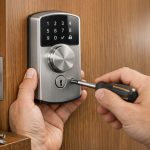
Smart locks, with their electronic components, need a slightly different approach. Check rubber gaskets and seals every few months for cracks or gaps. Damaged seals can allow moisture to seep in, potentially corroding the circuit board or freezing around buttons. Replace any worn seals with parts approved by the manufacturer. Clean keypads and fingerprint scanners with compressed air or isopropyl alcohol wipes to safely remove dirt and ice without damaging the sensors.
Batteries also need attention, especially before winter, since cold weather can drain them faster. Ensure battery compartments are sealed against moisture, and apply dielectric grease to the contacts to avoid corrosion from humidity or salt air. Most outdoor smart locks are designed to work between –4°F and 140°F, so extreme conditions outside this range could harm the electronics. Installing locks in shaded areas and checking app connectivity monthly can help you catch firmware or performance issues early.
Professional Lock Maintenance Services
If your locks are still sticking, rusting, or showing signs of wear despite regular care, it might be time to bring in a professional. Routine professional maintenance not only prevents lockouts but also enhances security. For example, vinyl-coated locks can last two to three times longer when professionally serviced every one to two years in tough climates.
Sherlock’s Locksmith in Pittsburgh, PA, offers expert maintenance for weather-resistant locks. Their 24/7 mobile service includes on-site inspections to check for corrosion, assess seals, and ensure smooth operation. They handle repairs like rekeying and part replacements for stainless steel or brass locks and can even upgrade your system to marine-grade or smart locks designed for Pittsburgh’s unpredictable weather. Their skilled technicians use advanced tools and techniques to reapply protective coatings, lubricate precisely, and address potential issues before they escalate, potentially extending your lock’s lifespan by 50% or more.
Building an Outdoor Security System with Weather-Resistant Locks
Creating a well-coordinated outdoor security system starts with integrating weather-resistant locks at key access points. Each lock should be chosen with its specific location in mind, ensuring both strong protection and durability against the elements. The right combination of locks can provide a layered defense while remaining easy to manage.
Securing Multiple Outdoor Access Points
Start by surveying your property to identify all outdoor entry points. This could include yard gates, driveway gates, shed doors, detached garages, storage bins, and side doors. Each point may require a different level of security depending on its purpose. For example, a garden gate that sees frequent use might need a lock that’s easy to operate, while a shed storing valuable tools may benefit from a heavy-duty steel lock with a shrouded shackle to deter bolt cutters.
For areas with lower risk, like trash enclosures or side gates, keyed-alike padlocks can simplify access by allowing multiple locks to be opened with a single key. Chain-link fences and driveway gates can be secured with long-shackle or discus-style padlocks, which minimize leverage points for prying. In regions with heavy rain or humidity, marine-grade locks are a smart choice to prevent rust and ensure long-term reliability.
Using Master Key Systems for Outdoor Locks
To streamline access across multiple locks, consider using a master key system. This setup allows individual locks to operate with their unique keys while a single master key can open all of them. It’s a practical solution for both homeowners and businesses. For example, commercial properties might issue limited-access keys to vendors for specific gates, while maintenance staff carry a master key for full access. Rekeyable locks are particularly useful here, as they allow you to update the lock’s cylinder without replacing the entire mechanism – ideal if a key is lost or needs to be reassigned.
Lock Type Comparison
When choosing locks, it’s essential to balance functionality with weather resistance. Here’s a comparison of common outdoor lock types:
- Mechanical Weather-Resistant Padlocks: Built with corrosion-resistant materials like brass or stainless steel, these locks are highly reliable in wet or cold conditions. They don’t rely on batteries, making them low-maintenance aside from occasional lubrication and cleaning.
- Digital Combination Locks: These keyless locks feature sealed dials to prevent lost keys. To maintain their performance in outdoor settings, they often include weather caps or vinyl bodies to block moisture.
- Smart Outdoor Locks: These locks offer modern conveniences like app control, access logs, and temporary digital codes for contractors. However, they require robust weatherproofing, regular battery changes, and firmware updates – especially in harsh climates where additional protection like marine-grade housing is recommended.
| Lock Type | Features | Weather Resistance | Best Residential Uses | Best Commercial Uses | Maintenance Needs |
|---|---|---|---|---|---|
| Mechanical Keyed Padlock (e.g., ABUS 70IB/50, Master Lock 1175) | Brass/stainless steel body, boron-carbide shackle, rekeyable cylinder, master-key compatible | High – includes vinyl coatings and corrosion-resistant features | Yard gates, sheds, detached garages, storage bins | Perimeter fences, loading docks, equipment yards, containers | Regular lubrication and cleaning after exposure to harsh weather |
| Digital Combination Lock (e.g., Master Lock 175LH, Pro Series) | Oversized dials with vinyl caps, hardened steel shackle, keyless operation | High – built with rustproof brass, protective shrouds, and rubber gaskets | Pool equipment enclosures, shared storage, tool sheds | Service yards, telecom cabinets, vendor-access gates | Periodic cleaning of dials and checks on weather caps |
| Smart Lock/Padlock | App control, Bluetooth/Wi-Fi, access logs, temporary digital codes, weatherproof housing | Variable – performs best with marine-grade or all-weather housing | Garage side doors, high-value tool sheds, gates needing audit trails | Remote sites, frequently accessed gates, time-limited contractor access | Battery replacements, firmware updates, and regular seal inspections |
With these options, you can design a security system that fits your specific needs while standing up to the elements. For expert advice and installation, consult professionals like Sherlock’s Locksmith in Pittsburgh, PA. Their certified technicians can assess your property’s layout, recommend durable materials like stainless steel or brass, and install secure hasps and latches. They also specialize in setting up keyed-alike or master-key systems and offer 24/7 mobile services for lockouts, rekeying, and upgrades to marine-grade or smart locks.
Conclusion
Weather-resistant locks are essential for safeguarding outdoor spaces against harsh elements like rain, snow, salt air, and extreme temperatures. Made from materials like stainless steel, brass, or hardened alloys with protective coatings and sealed mechanisms, these locks are designed to stand up to rust and wear. Whether you’re securing gates, sheds, storage units, or properties near the coast, it’s important to consider your location’s environmental challenges and the specific features of the lock.
Finding the right weather-resistant lock means balancing durability with key security features, such as boron-carbide shackles and anti-cut designs. For properties with multiple access points, master key systems can simplify management while maintaining strong security. Regular maintenance – like cleaning, lubrication, and inspections – can significantly extend the life of these locks, ensuring they perform reliably over time.
For those looking to take their security measures a step further, professional locksmith services can provide valuable assistance. Sherlock’s Locksmith in Pittsburgh, PA, offers expert technicians who can evaluate your property, recommend materials suited to the local climate, and handle installations to maximize both weather resistance and security. Known for their prompt service, fair pricing, and expertise, they’re a trusted resource for outdoor security needs.
Their 24/7 mobile service ensures help is always available – whether it’s for emergency lockouts, rekeying after a lost key, or upgrading to marine-grade or smart lock systems. From installing a single padlock to setting up a master key system for multiple access points, their team arrives equipped with advanced tools and high-quality products to deliver quick and reliable results.
FAQs
What are the best materials for weather-resistant locks in coastal environments?
For homes or properties near the coast, stainless steel, brass, and laminated steel are excellent choices for weather-resistant locks. These materials stand up well against the corrosive effects of salty air and high humidity, making them a smart option for long-term durability and consistent performance.
Opting for locks crafted from these materials can safeguard your outdoor areas from tough weather conditions while ensuring dependable security over time.
How can I keep my weather-resistant lock in good condition year-round?
To keep your weather-resistant lock in top shape, make it a habit to clean it with a damp cloth to clear away dirt and debris. Twice a year, apply a silicone-based or graphite lubricant to protect against rust and ensure it operates smoothly – steer clear of oil-based lubricants, as they tend to attract grime. If you’re dealing with heavy rain or snow, think about using a protective cover to shield the lock from harsh conditions. Regularly check for any signs of rust or damage, especially during extreme weather, and address problems right away. For more complex maintenance or repairs, reaching out to a professional locksmith can help keep your lock working reliably year-round.
Why are mechanical locks better than smart locks for outdoor use?
Mechanical locks stand out as a durable and reliable option for securing outdoor areas. Unlike smart locks, they don’t rely on technology, meaning they’re free from risks like technical glitches, power outages, or hacking attempts – issues that could compromise security. Plus, their sturdy design is built to endure harsh weather, making them a solid choice for long-term outdoor protection.