





When it comes to protecting your home, a security audit is a must. It helps you identify weak points – like unlocked doors, poor lighting, or outdated locks – and fix them before intruders take advantage. Here’s the big picture:
- Why It Matters: In 2022, over 1.1 million burglaries occurred in the U.S., with 29% involving no forced entry. Homes without security systems are three times more likely to be targeted.
- What You’ll Do: Inspect your property’s perimeter, doors, windows, locks, lighting, and security systems. Look for gaps like overgrown bushes, weak locks, or dark corners.
- Key Steps: Secure fences, install motion-activated lights, reinforce doors with deadbolts, and upgrade to modern security systems like cameras or smart locks.
- Emergency Safety: Don’t overlook smoke detectors, carbon monoxide alarms, and fire extinguishers – they’re just as important as locks and cameras.
Start with small fixes, like trimming shrubs or testing alarms, and work toward bigger upgrades, such as installing HD cameras or smart locks. Regular maintenance and testing ensure your home stays secure over time. If you’re unsure about upgrades, consult a professional locksmith or security expert for advice.
Keep reading for a step-by-step guide to securing your home, inside and out.
What Should Be On A Home Security Audit Checklist? – SecurityFirstCorp.com
Step 1: Check Your Property’s Perimeter
The perimeter of your property acts as your first line of defense. Before anyone can approach your doors or windows, they have to cross this boundary. Taking a walk around your property – front, sides, and back – can help you spot areas where someone might enter, hide, or move unnoticed. Think like a potential intruder, scanning for weaknesses like damaged fences or poorly lit corners. Once you’ve assessed the boundary, it’s time to evaluate the barriers protecting it.
Inspect Fences, Gates, and Barriers
Start by examining the fences, walls, hedges, and other barriers that form your property line. Walk along each section, looking for loose boards, broken panels, gaps, rusted fasteners, or rotted posts – anything that might create an opening. If a gap is big enough for a child, it’s also big enough for an intruder.
Consider the height and climbability of your fences. A solid privacy fence over 6 feet tall is harder to scale than a lower chain-link or decorative fence. However, even tall fences can be compromised if they have crossbars, lattice tops, or nearby objects like trash cans or ladders that provide easy footholds. Move these items away from the fence line to eliminate climbing aids.
Check for tampering signs, such as cut wire, disturbed soil, or pried boards. If your property lacks a barrier, think about adding one, whether it’s a fence, wall, or strategically placed landscaping, keeping local regulations and neighborhood aesthetics in mind.
Don’t forget about sheds, detached garages, and pool enclosures near the perimeter. These structures often house tools that could aid a break-in or provide cover for intruders. Ensure they’re locked and, if possible, tied into your security system.
Gates require particular attention. Test all gates – whether for driveways, side yards, or pool areas – to ensure they close securely and latch automatically. Latches and hinges should be free of rust and aligned properly. Add sturdy locks or padlocks that can’t be opened from the outside without a key or code. For driveway gates, check that automatic openers close the gate fully and resist being forced open. In higher-risk areas, consider upgrading to keypad access, smart locks, or monitored sensors that alert you if a gate is unexpectedly opened. If you’re unsure how to secure gates, a professional locksmith like Sherlock’s Locksmith in Pittsburgh, PA can help.
Review Landscaping and Hiding Spots
Landscaping can either expose intruders or provide them with cover. Overgrown bushes, dense hedges, and low-hanging branches near doors, windows, and walkways create perfect hiding spots. Trees planted too close to the house can even serve as climbing aids to reach second-floor windows.
Take a look at your property from the sidewalk and your neighbors’ perspectives to identify blind spots created by vegetation. The National Crime Prevention Council advises trimming or removing high shrubs and dense plantings near entry points to eliminate concealment opportunities.
To minimize risks, keep shrubs trimmed to about 2–3 feet near doors and windows, and raise tree canopies so branches start at 6–7 feet above the ground. This improves visibility from both the house and the street. Clear away clutter like stacked firewood or yard equipment that could create blind spots.
For extra deterrence, consider planting thorny bushes like roses or holly under first-floor windows or along secluded fence lines. These make it uncomfortable for anyone to linger while still allowing visibility from inside the house.
Balance privacy and security by keeping tall hedges or solid fences along rear or side property lines, but avoid blocking views near main entry points. Around front doors and windows, opt for low, open plants that allow neighbors or passersby to notice unusual activity. Keep long side yards and alleyways clear of dense vegetation, instead using trimmed shrubs or decorative plants that don’t obstruct views.
Ensure walkways and paths are free of overhanging branches or encroaching plants so anyone approaching the home is visible. Regularly review your landscaping – especially in spring and fall – to prevent plants from growing back into potential hiding spots.
Evaluate Outdoor Lighting and Visibility
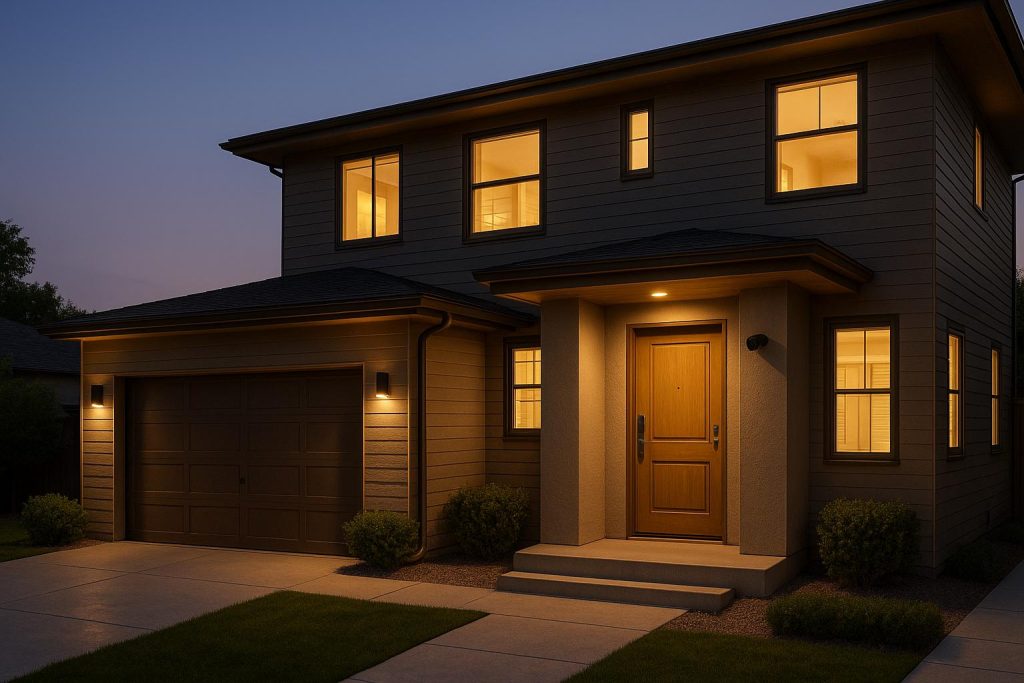
Outdoor lighting is one of the best ways to deter intruders, but many homes have dark corners and shadowed areas that provide cover. Walk your property at night to identify dark spots or paths where someone could linger unnoticed.
Key areas to illuminate include all exterior doors, gates, driveways, garage areas, walkways, side yards, and ground-floor windows. Lighting should provide even coverage without creating glare. Have someone walk the perimeter while you observe from inside or on a security camera feed to pinpoint areas that need better lighting.
A combination of dusk-to-dawn lights and motion-activated lights works well. Dusk-to-dawn lights provide consistent illumination for key areas like front entries, while motion-activated lights startle intruders and alert you when someone approaches. Mount fixtures high – around 8–10 feet – to reduce tampering, and angle them downward to light the ground without spilling into neighbors’ windows. LED bulbs are ideal for security lighting since they’re bright, energy-efficient, and long-lasting.
Timers and smart lighting controls can create the appearance of occupancy when you’re away, and integrating lights with cameras or a security system can trigger recording when motion is detected.
Make sure your house numbers are visible at night so emergency responders can locate your home quickly. Avoid lighting setups that create harsh glare or deep shadows. Instead, aim for even, diffuse lighting that helps both cameras and human observers.
From the street, confirm that main entry doors and windows are visible. If not, adjust your landscaping or lighting. This concept of natural surveillance – open views, clear boundaries, and visible signage – signals that the property is cared for and makes it less appealing to intruders. Place "No Trespassing" or "Private Property" signs at entry points and along less-visible areas like side yards or alleys. Alarm-company signs and window decals at front and rear approaches can also increase the perceived risk for anyone considering trespassing.
Step 2: Examine Doors and Windows
After evaluating the perimeter, it’s time to focus on the most common entry points: doors and windows. Statistics show that many burglaries happen through doors and windows that are either unlocked or poorly secured. Intruders often don’t need advanced tools – they simply take advantage of these vulnerabilities. Checking these areas thoroughly ensures your home has no weak spots that could invite unwanted access.
Check Exterior Doors
Exterior doors are often the first target for intruders. Unfortunately, many homes rely on builder-grade doors and locks that aren’t designed to withstand force. For example, standard strike plates are often attached only to the door jamb, not the structural stud, making them easy to breach. Start by inspecting every exterior door, including the front, back, side doors, and the one connecting your garage to your home.
- Door Material and Thickness: Ensure each door is solid-core or metal-clad, at least 1 3/8 inches thick, and properly fitted within its frame. If the door feels lightweight or has dents, it’s time to upgrade to a sturdier option.
- Deadbolts and Hinges: Deadbolts should have a throw of at least 1 inch. Hinges must be secure, with non-removable pins for outward-swinging doors.
- Strike Plate Reinforcement: Standard strike plates are often secured with short screws that only grip the door jamb. Replace these with reinforced metal strike plates secured by 3-inch screws that anchor into the wall studs. Test the door by gently pushing near the strike plate – if it flexes, it needs reinforcement.
- Glass Panels and Sidelights: If your door has glass inserts or sidelights near the lock, consider upgrading to laminated or tempered glass, applying security film, or installing a double-cylinder deadbolt that requires a key on both sides. However, double-cylinder deadbolts can be a fire hazard, so check local fire codes and always keep a key nearby but out of reach from the glass.
- Sliding Glass Doors: These are often seen as a weak point due to fragile glass, simple latches, and exposed tracks. Make sure the panel is securely mounted on the inside track, install anti-lift blocks or screws in the upper track, and use a security bar or auxiliary lock in the bottom track. Adding lighting, cameras, and door sensors can further enhance security.
- French Doors: At least one leaf should have a deadbolt, while the inactive leaf should use a multi-point locking system or auxiliary locks at the top and bottom to prevent prying. Ensure both leaves close tightly without gaps.
- Garage Entry Door: Don’t overlook the door connecting your garage to your home. Treat it like any other exterior door by using solid-core or metal construction, a quality deadbolt, and a reinforced frame. Many people leave this door unlocked, assuming the garage itself is secure, but intruders often exploit garages as hidden access points.
If you’re unsure about the quality of your locks or need help upgrading, consider consulting a professional locksmith. In Pittsburgh, PA, Sherlock’s Locksmith provides services such as lock installation, repair, rekeying, and even security system upgrades. They can install ANSI Grade 1 or 2 deadbolts, reinforce strike plates, and set up smart locks or high-security hardware.
Once your doors are secured, it’s time to turn your attention to windows, another common target for break-ins.
Review Windows and Glass Panels
Windows are the second most frequent entry point for intruders, yet they’re often overlooked during security checks. Start by ensuring that every window locks properly. Test each one by gently pulling on the sash – repair any broken latches or weak frames right away. For added protection, consider secondary locking devices like pin locks, sash locks, or slide bolts, especially for ground-floor or basement windows where ventilation is needed without compromising security.
- Sliding Windows: Use a security bar, dowel, or track stop to prevent the window from being forced open. Also, check that the window cannot be lifted off its track from the outside.
- Reinforce Glass: Install security film or upgrade to laminated or tempered glass, particularly for ground-floor and basement windows. Security film, typically 4–11 mil thick, holds the glass together when shattered, making it harder to break through. It’s affordable, improves energy efficiency, and can even be a DIY project.
- Basement Windows: These are often small, out of sight, and poorly secured, making them a favorite target for intruders. Ensure that every basement window has a working lock. Adding window well covers, bars, or grilles can further enhance security. If you opt for bars or grilles, make sure they have a quick-release mechanism for emergency exits.
- Ground-Floor Windows: These windows are easily accessible and frequently targeted. Combine strong locks, secondary stops, security film, adequate lighting, and visible cameras for maximum protection. At night, use curtains or blinds to keep valuables out of sight and prevent outsiders from determining if the house is occupied.
- Louver Windows: These horizontal slat windows are inherently weak. If you have them, replace them with solid windows made of tempered or shatter-resistant glass. The slats can be removed individually, leaving the lock intact but the window open.
Step 3: Review Locks, Lighting, and Security Hardware
After securing your doors and windows, it’s time to focus on another critical layer of protection: locks, lighting, and security hardware. These components play a key role in addressing any remaining vulnerabilities in your home’s defenses.
Assess Lock Quality and Condition
Not all locks are created equal, and many homes still rely on basic, builder-grade locks that offer minimal resistance to forced entry. Start by inspecting all exterior locks. Look for deadbolts that meet ANSI/BHMA Grade 1 or Grade 2 standards and ensure they have a throw bolt of at least 1 inch. Replace any deadbolts that feel weak or have a throw bolt shorter than 1 inch.
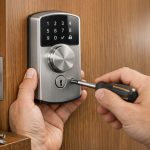
Pay close attention to strike plates as well. Reinforce them with 3-inch screws to ensure they’re securely anchored. Check for signs of wear, rust, or damage on all locks, and replace any that appear compromised. For main entry doors and those connecting your home to the garage, consider upgrading to high-security locks from trusted brands like Medeco or Schlage Primus. These locks provide added resistance to picking and bumping. Smart locks are another excellent option, offering features like remote control and temporary access codes for added convenience and security.
Don’t forget about secondary entry points, such as basement or utility room doors – they need the same level of protection. If you’ve recently moved or misplaced a key, rekey or replace all exterior locks immediately. This simple step can prevent unauthorized access to your home. [2, 3, 7, 13, 14]
Once your locks are secure, shift your attention to keeping these areas well-lit.
Verify Lighting Around Entry Points
Good outdoor lighting is one of the easiest ways to discourage burglars. Make sure every entry point – whether it’s a front door, back door, garage, or basement door – has proper exterior lighting.
Install motion-activated or dusk-to-dawn LED lights to brighten these areas automatically. For the best results, mount motion-activated LED floodlights with a brightness of 700–1,200 lumens at a height of 6–8 feet. These lights not only deter intruders but also improve the clarity of security camera footage. For consistently dark areas like driveways or alleys, smart lighting systems allow you to schedule lights or control them remotely, creating the appearance of an occupied home.
If you have security cameras or video doorbells, make sure these areas are well-lit at night to capture clear footage. Regularly inspect your lighting setup, replacing bulbs and cleaning fixtures as needed to maintain optimal performance. [2, 3, 12, 16, 6]
Now that your locks and lighting are in place, tackle the next step: eliminating hiding spots around entry areas.
Improve Visibility at Entry Points
Lighting alone isn’t enough – maintaining clear visibility around your home is just as important. Take a good look at your landscaping and trim any shrubs or bushes near entry points. Keep them at least 3 feet below window sills and ensure they’re no closer than 3 feet to doors and walkways. Overhanging tree branches should also be pruned to prevent access to upper-level windows or roofs.
Walk around your property and identify potential hiding spots, such as overgrown hedges, large shrubs near doors, or cluttered areas around sheds. Clearing these spaces creates a "defensible space", where anyone approaching your home is easily visible from the street or neighboring properties. Pair these visibility improvements with visible security measures, like cameras or yard signs, to further discourage intruders. [2, 11, 12, 16, 10, 4, 6]
sbb-itb-643e28e
Step 4: Test and Update Security Systems
Once you’ve set up physical security measures, it’s time to ensure your electronic systems are fully functional. The most advanced equipment won’t do much good if it’s outdated or malfunctioning. Regular testing and updates are key to keeping your systems reliable when you need them.
Test Alarms, Cameras, and Sensors
Start by contacting your monitoring company to activate test mode. Arm your system and test each entry point to confirm that alarms and sensors are functioning properly. Walk through areas monitored by motion detectors to ensure they respond as expected, and adjust sensitivity settings if needed – for example, to prevent pets from triggering false alarms.
For glass-break sensors, use tools recommended by the manufacturer to test their responsiveness. Check that all keypads and control panels are operational, respond to commands, and display the correct system status. If any component isn’t working as it should, it’s time to call your security provider for repairs or replacements.
When it comes to cameras and video doorbells, inspect the live feed and recorded footage for each device. Confirm that date and time stamps are accurate and that storage systems are working properly. Test the night vision or infrared capabilities in low-light conditions – if the footage is unclear, consider adding exterior lighting. Review camera positions to ensure they cover key areas like driveways, entrances, windows, and garages, and adjust angles to minimize blind spots. Make sure your smartphone app is set up to receive alerts for alarms, motion, and doorbell activity, and remove access for anyone who no longer needs it, such as former tenants or service providers.
Once your security system is in good shape, shift your attention to fire safety measures.
Check Smoke Detectors and Fire Safety Equipment
Fire safety is a vital part of any home security plan. Many fatal fires occur in homes where smoke alarms aren’t working.
Test all smoke and carbon monoxide detectors monthly by pressing their test buttons until the alarms sound. Replace batteries at least once a year – many people find it handy to do this when adjusting clocks for daylight saving time. Replace any detector that’s over 10 years old or past its expiration date.
Install smoke detectors on every floor of your home, including hallways, bedrooms, and areas just outside sleeping spaces. Place carbon monoxide detectors near bedrooms, but avoid installing them right next to fuel-burning appliances. Hard-wired detectors with battery backups are ideal because they’re interconnected – if one goes off, they all do.
Fire extinguishers are another essential. Keep at least one multi-purpose (ABC-rated) extinguisher in your kitchen, with additional units in the garage and near mechanical rooms. Inspect each extinguisher monthly to ensure the pressure gauge is in the green zone, the safety pin is intact, and the tamper seal hasn’t been broken. Replace or service any extinguishers that are expired or damaged. Make sure everyone in your household knows where they are and how to use them.
Consider Modern Security Upgrades
Once your current system is fully functional, think about upgrading to more advanced options. If your system is over 10 years old, it might lack features like app control, cellular backup, or integration with other devices such as smoke detectors and cameras.
Replacing older analog cameras with high-definition IP cameras (1080p or higher) can significantly improve your ability to identify faces and vehicles. Many of these cameras come with cloud storage and mobile alerts, allowing you to monitor your property remotely. Video doorbells are another great addition, giving you the ability to see and speak with visitors without opening your door.
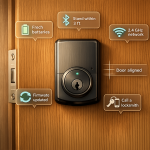
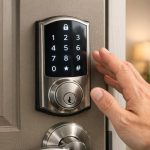
Smart locks and keyless entry systems offer the convenience of remote control via your smartphone. You can lock or unlock doors, set up temporary access codes for guests, and track who’s coming and going. Smart lighting systems, which can simulate occupancy while you’re away, add another layer of safety.
Integrated alarm systems are also worth considering. These systems can combine intrusion detection, video surveillance, fire and carbon monoxide monitoring, and even environmental sensors into a single app or hub. Many are professionally monitored 24/7, ensuring that emergency services are notified quickly when needed.
Before upgrading, confirm that new devices are compatible with your existing setup, and ensure you have clear instructions for their use. For expert help with system upgrades, reach out to Sherlock’s Locksmith.
Finally, keep a record of all tests, maintenance, and upgrades, including dates, results, and any repairs made. Setting monthly reminders for testing and annual reviews of your security setup will help you stay on top of potential vulnerabilities and maintain a safe home year-round.
Step 5: Create a Security Plan and Maintenance Schedule
Once you’ve completed your audit and system tests, it’s time to ensure your home remains secure in the long run. This step involves turning your findings into a clear, actionable plan that addresses vulnerabilities, organizes fixes by priority, and establishes regular security routines and emergency procedures.
Build a Security Plan
Start by documenting the vulnerabilities you identified – things like outdated alarm sensors, weak locks, dark areas around the property, or overgrown shrubs that could obscure windows. Prioritize fixes by urgency and break them into categories. For example:
- Immediate tasks: Install a deadbolt on the basement door by a specific date.
- Short-term projects: Add motion-activated lighting to the driveway within the month.
- Long-term upgrades: Replace older analog cameras with HD models by the end of the year.
This step-by-step approach ensures you address the most pressing issues first while keeping track of future improvements.
Your plan should also outline daily security routines, such as locking doors, arming alarms, managing outdoor lights, and bringing in packages promptly. Keep this concise – two or three pages at most – so it’s easy for everyone in the household to follow.
Include emergency procedures for situations like break-ins, fires, or carbon monoxide alarms. Specify who will call 911, designate meeting spots, and identify safe rooms. Make sure emergency codes and contact numbers are easily accessible, whether posted near the main exit, on the refrigerator, or saved in everyone’s phones.
For security devices, provide clear, easy-to-understand instructions. This might include how to arm and disarm alarms, view camera feeds, or operate smart locks. Use simple language so anyone in the household can quickly grasp what to do.
Once the plan is complete, review it with everyone in your home. Assign specific roles, like locking doors at night, ensuring the stove is off, or checking that pets are inside. For families with kids, give age-appropriate responsibilities – older children can confirm that windows are locked or side gates are latched. Teach them basic safety rules, like not opening doors to strangers, how to call 911, and where to go during emergencies.
To reinforce the plan, practice emergency drills a few times a year. Run fire drills to ensure everyone knows how to exit each room safely and where to meet outside. Walk children through unlocking doors and windows during emergencies. These practices help turn the written plan into habits that are second nature under stress.
Set Up Regular Security Reviews
A good plan is only effective if it’s maintained. Create a maintenance schedule with tasks divided into monthly, quarterly, and annual reviews.
- Monthly tasks: Test alarms by triggering sensors and ensure notifications work. Check smoke and carbon monoxide detectors by pressing their test buttons. Inspect outdoor lighting, replacing any burned-out bulbs, and verify that door and window locks are functioning smoothly.
- Quarterly tasks: Adjust camera angles and clean lenses to maintain clear footage. Update passwords for alarms, smart locks, and Wi-Fi routers, and remove access for people who no longer need it. Examine your yard for new hiding spots caused by growing vegetation and trim as needed.
- Annual tasks: Replace batteries in detectors (unless they’re sealed 10-year units) and check fire extinguisher expiration dates. Conduct a full security review, covering doors, windows, locks, lighting, landscaping, and security systems. Update your plan to reflect changes like new occupants, renovations, or added devices. Some local police departments offer free or low-cost security assessments, which can be helpful during these annual reviews.
Set reminders for these tasks – whether on a printed calendar, a household checklist, or a home maintenance app. Many smart home systems also provide alerts, like low-battery warnings, to help you stay on top of maintenance.
Keep a log of tests, repairs, and upgrades. This record can help you identify patterns, like frequently burned-out bulbs or recurring false alarms, which may signal the need for replacements or professional repairs.
Review your security plan annually or whenever major changes occur, such as moving into a new home, remodeling, or experiencing a break-in. Updates should reflect changes in household members, travel routines, or new security equipment. Ensure everyone knows who has access codes, what systems are in place, and any new vulnerabilities to address.
Get Professional Help When Needed
While many tasks can be handled on your own, some require professional expertise. Knowing when to call in an expert can save time, reduce errors, and ensure your home stays secure.
For example, hire a licensed locksmith or security professional for tasks like repairing damaged locks, rekeying after a move, or installing high-security deadbolts and smart locks. If you’re upgrading to an integrated system with cameras, alarms, and smart controls, a professional can ensure everything is installed and configured correctly.
In cases of recurring break-ins, outdated hardware in older homes, or complex systems you’re not comfortable setting up, consulting an expert is a wise choice.
In the Pittsburgh, PA area, Sherlock’s Locksmith offers a range of residential services to support your security plan. Their certified technicians can assess your current locks, recommend and install upgrades, rekey your home after a move, and provide maintenance like lubricating locks or fixing alignment issues. They also offer 24/7 emergency services for lockouts or urgent repairs, ensuring professional support whenever you need it.
Conclusion
A home security audit is just the beginning of protecting your family, property, and peace of mind for the long haul. By working through the five key steps – assessing your property’s perimeter, inspecting doors and windows, evaluating locks and lighting, testing security systems, and creating a maintenance plan – you’ve established a clear understanding of your home’s current security and identified areas that need improvement. This initial effort lays the groundwork for ongoing protection.
Security measures naturally decline over time. Locks wear out, shrubs grow into potential hiding spots, lightbulbs burn out, and technology becomes outdated. That’s why a single audit isn’t enough to keep you safe indefinitely. Treat your first walkthrough as a starting point, and revisit it regularly – at least once a year or whenever significant changes occur, like moving, renovations, new household members, or increased local crime. Routine checks ensure your safety measures remain effective, whether you’re dealing with a break-in attempt, a fire, or a carbon monoxide leak.
Even small upgrades can make a big difference. Studies and law enforcement advice consistently highlight that layered and visible security measures – like strong locks, adequate lighting, trimmed landscaping, and active alarm systems – deter burglars. Criminals often avoid homes with reinforced doors, motion-activated lights, or security cameras, opting for easier targets instead. You don’t need to install a high-end system right away. Incremental improvements, based on your audit results, can still greatly enhance your home’s security.
Start with affordable, impactful changes: replace burnt-out bulbs, trim overgrown bushes, secure windows, and test smoke and carbon monoxide detectors. From there, create a list of larger upgrades, such as installing smart locks, upgrading to high-definition cameras, or adding a monitored alarm system. Assign target dates and budgets to these projects, and set reminders on your phone for monthly alarm tests and annual reviews. Many homeowners in the U.S. find it helpful to check detectors during daylight saving time changes – it’s a simple way to stay consistent. Over time, these small steps add up, and periodic updates will keep your security plan effective.
For repairs or advanced upgrades beyond your DIY skills, don’t hesitate to call in a professional. For example, Sherlock’s Locksmith in Pittsburgh, PA, can handle complex repairs or installations with expertise.
Make sure your audit addresses all typical features of U.S. homes, and verify that your safety devices comply with local codes. Doing so could even make you eligible for insurance discounts.
FAQs
How often should I perform a home security audit to keep my property safe?
It’s a good idea to carry out a home security audit at least once a year to keep your property safe. You should also take time to review your security setup after major changes, like moving into a new house, adding new security features, or dealing with a security incident.
These regular checks can uncover weak spots, confirm that locks and systems are working as they should, and tackle risks before they escalate. Being proactive is essential for keeping your home secure.
What are some affordable ways to improve my home security on a budget?
Improving your home security doesn’t have to cost a fortune. With a few smart and budget-friendly changes, you can enhance your safety and peace of mind:
- Strengthen your entry points: Consider adding deadbolts to your doors and using security bars or wooden dowels for sliding doors and windows. These simple measures can make it much harder for intruders to gain access.
- Enhance outdoor lighting: Motion-sensor lights are a great way to brighten up dark corners around your home. They not only make it easier for you to see but also discourage unwanted visitors.
- Add basic security gadgets: Affordable tools like doorbell cameras, window alarms, and smart locks can significantly improve your home’s security without requiring a major investment.
- Tidy up your landscaping: Overgrown bushes and trees near windows or entryways can provide cover for intruders. Keeping them trimmed ensures better visibility and reduces potential hiding spots.
If you’re considering more advanced upgrades, a trusted locksmith can provide expert advice and help with installing locks or security systems tailored to your needs.
How can I maintain privacy while ensuring good visibility for home security?
Striking the right balance between keeping your home private and ensuring visibility is key to effective home security. One way to achieve this is by using frosted or tinted window films on ground-level windows. These films obscure the view from outside while still allowing natural light to brighten your home. For outdoor areas, landscaping thoughtfully with hedges or privacy fences can provide coverage without blocking your view of key entry points.
Another important step is adding motion-activated outdoor lighting. This type of lighting keeps your property dark for privacy but lights up when movement is detected, enhancing security. When it comes to security cameras, make sure they’re aimed at critical areas like doorways and driveways. However, be mindful to avoid capturing footage of your neighbors’ properties to maintain their privacy. These measures can help you secure your home while maintaining a respectful balance between privacy and visibility.