





ANSI lock standards help you choose locks that are tested for security and durability. These standards grade locks into three levels (Grade 1, 2, and 3) based on their performance in tests like cycle endurance, impact resistance, and material strength. Here’s what you need to know:
- Grade 1: Highest security, tested for 800,000 cycles and 10 hammer strikes. Ideal for commercial buildings or high-risk areas.
- Grade 2: Mid-level security, tested for 400,000 cycles and 5 hammer strikes. Suited for residential and light commercial use.
- Grade 3: Basic security, tested for 200,000 cycles and 3 hammer strikes. Best for interior residential doors.
Why it matters: Locks with ANSI certification meet strict standards, ensuring reliability, compliance with insurance requirements, and better protection. Professional installation is key to maintaining their effectiveness. Investing in the right grade saves money and enhances safety over time.
Lock Grades Explained – Understanding Lock Grades
Lock Testing and Grading Process
ANSI subjects locks to a series of rigorous tests designed to mimic years of use and potential forced entry attempts. These evaluations ensure each lock meets the standards outlined in the ANSI grading system.
Main Testing Methods
Cycle testing is a key part of ANSI’s evaluation process, simulating long-term use by repeatedly operating the lock. This includes turning keys, moving handles, and engaging bolts. For example, Grade 1 knob locks must endure 800,000 cycles, while Grade 3 locks are tested up to 200,000 cycles.
Impact resistance testing determines how well locks can withstand forceful attacks, such as hammer strikes. During this test, locks are subjected to blows with up to 75 pounds of force. Grade 1 deadbolts must hold up against 10 hammer strikes, Grade 2 against 5 strikes, and Grade 3 against 3 strikes. This test reflects the lock’s ability to resist common break-in tactics.
Latch projection testing measures how far lock components extend into the door frame, a critical factor for security. Deadbolts must project at least 1 inch, knob locks require a ½ inch projection, and mortise locks need a ¾ inch projection. Proper projection ensures the lock’s resistance to prying and tampering.
Material strength tests evaluate the durability of essential components like bolts, faceplates, and strike plates. These tests determine whether the materials can withstand stress and wear over time, ensuring they don’t fail due to fatigue or prolonged use.
The 3-Grade System Explained
ANSI uses these tests to classify locks into one of three grades, offering consumers a clear understanding of a lock’s performance and durability.
| Test Category | Grade 1 | Grade 2 | Grade 3 |
|---|---|---|---|
| Cycle Test (Knob Locks) | 800,000 cycles | 400,000 cycles | 200,000 cycles |
| Impact Resistance (Deadbolts) | 10 strikes @ 75 lbs | 5 strikes @ 75 lbs | 3 strikes @ 75 lbs |
| Latch Projection (Knob) | ½ inch | ½ inch | ½ inch |
| Latch Projection (Mortise) | ¾ inch | ¾ inch | ¾ inch |
| Deadbolt Projection | 1 inch | 1 inch | 1 inch |
| Typical Applications | Commercial, high-security | Residential, light commercial | Interior, low-risk |
All testing is conducted in standardized labs using identical doors and frames. This ensures that every lock with an ANSI grade has been evaluated under the same strict conditions.
Grade assignment requires locks to meet minimum standards across all test categories. A lock cannot achieve Grade 1 status by excelling in just one area – it must perform well in cycle testing, impact resistance, material strength, and latch projection. This comprehensive evaluation ensures that the grades reflect overall quality rather than isolated features.
For example, locksmiths at Sherlock’s Locksmith rely on these ANSI grades to recommend locks tailored to specific needs. Whether for high-security commercial use or basic interior applications, these standardized grades simplify lock selection by offering clear, reliable benchmarks for performance and durability.
ANSI Grades 1, 2, and 3 Breakdown
Choosing the right lock for your property starts with understanding ANSI grades. These grades indicate varying levels of security, durability, and cost, helping you align your lock choice with your specific needs. Below, we’ll break down what each grade means and how it translates to practical security.
Grade 1: Maximum Security Locks
Grade 1 locks represent the highest level of security and durability in the ANSI grading system. Designed for high-risk areas, these locks are built to withstand the toughest conditions.
To meet Grade 1 standards, locks must endure 800,000 cycles, resist 10 hammer strikes, and incorporate features like solid steel components, longer bolts, and reinforced strike plates for enhanced protection.
These locks are ideal for commercial buildings, hospitals, banks, and high-security residential entryways. If you’re securing a business entrance, retail store, or any high-risk property, Grade 1 locks are your go-to option for robust security. Check the table below for a quick comparison.
Grade 2: Standard Security Locks
Grade 2 locks offer a balance of reliable security and moderate cost, making them a popular choice for residential properties. They are tested to endure 400,000 cycles and withstand 5 hammer strikes, ensuring dependable performance for everyday use.
Constructed with durable components, Grade 2 locks are well-suited for front and back doors in homes, interior doors with frequent use, and light commercial spaces. For suburban homes, rental properties, or small businesses, they provide solid protection without breaking the bank.
Grade 3: Basic Security Locks
Grade 3 locks meet the minimum ANSI security standards and are designed for low-risk applications. They are tested to handle 200,000 cycles and resist 3 hammer strikes, offering a basic level of protection.
Built with lighter materials, Grade 3 locks are best suited for interior residential doors, such as those on bedrooms, bathrooms, or storage closets. Experts recommend limiting their use to interior spaces where high security isn’t a priority.
| ANSI Grade | Security Level | Durability (Cycles) | Typical Cost Range | Best Applications |
|---|---|---|---|---|
| Grade 1 | Maximum | 800,000 | Highest | Commercial buildings, high-security residential |
| Grade 2 | Standard | 400,000 | Moderate | Most homes, light commercial |
| Grade 3 | Basic | 200,000 | Lowest | Interior doors, low-risk areas |
If you’re unsure which lock grade suits your needs, professional locksmiths like those at Sherlock’s Locksmith can assess your property and recommend the best option. Proper installation by trained technicians ensures that even the most secure locks perform effectively, giving you peace of mind.
sbb-itb-643e28e
Benefits of ANSI-Certified Locks
ANSI-certified locks are a trusted choice for anyone seeking reliable security and durability. These locks undergo rigorous testing to ensure they perform consistently when it matters most, offering peace of mind for both residential and commercial property owners.
Superior Security and Durability
Grade 1 locks, the highest standard under ANSI certification, are designed to go beyond basic durability requirements. These locks are built with high-quality materials and are engineered to resist forced entry methods like kicking, prying, and picking – common tactics used in break-ins. Their ability to withstand such attacks makes them especially suitable for exterior doors and other high-risk areas. This level of reliability ensures that you can confidently select a lock that meets your security needs.
Smarter Lock Choices
ANSI grades simplify the process of choosing the right lock by clearly indicating their performance levels. This makes it easier to align your security needs and budget with the appropriate lock grade. The standardized grading also means that, regardless of the brand, ANSI-certified locks deliver consistent performance. Whether you’re securing a home or business, this reliability provides added assurance that you’re investing in dependable protection.
Insurance Perks and Compliance
Beyond security, ANSI-certified locks often meet insurance and building code requirements, which can lead to reduced premiums and easier compliance with regulations. Additionally, these locks are built for longevity, requiring less frequent maintenance and replacement. This can help save on ongoing costs over time.
Professional installation plays a key role in maximizing these benefits. For instance, locksmith services like those offered by Sherlock’s Locksmith ensure that locks are installed correctly, avoiding common mistakes that could compromise their effectiveness. Their expertise also helps property owners meet compliance standards while maintaining the lock’s intended performance.
Selecting the Right Lock Grade
Picking the right ANSI lock grade isn’t just about grabbing the most expensive or the toughest lock on the shelf. It’s about finding the right balance between your security needs, the type of property you’re securing, and how much you’re willing to spend. The goal? Get the protection you need without overspending or leaving your property vulnerable.
Evaluating Your Security Needs
Start by assessing your property’s unique risks and how often each door is used. For example:
- High-risk locations like banks, hospitals, or busy commercial properties often require Grade 1 locks. These are built to handle heavy use and protect valuable assets.
- Residential homes in suburban areas typically do well with Grade 2 locks, offering solid daily security without overkill.
- Interior doors in private homes – think bedrooms or bathrooms – are usually fine with Grade 3 locks, as they face minimal risk of forced entry.
Another factor to consider is how often the door will be used. High-traffic areas, such as the main entrances of office buildings, need durable locks. Grade 1 locks, for example, are tested to withstand up to 800,000 cycles. On the other hand, standard residential doors, which see moderate use, perform well with Grade 2 locks rated for about 400,000 cycles.
Also, think about local crime rates and specific vulnerabilities. For instance, isolated entrances or doors protecting valuable equipment might call for a higher-grade lock. Multi-family buildings or rental properties often benefit from Grade 2 locks, which strike a good balance between reliability and affordability.
Matching Grade to Budget
Understanding the cost of different lock grades can help you make a smart choice without breaking the bank:
- Grade 1 locks: These are the most durable and secure, ranging from $50 to $150 per lock.
- Grade 2 locks: A solid middle ground, they typically cost between $30 and $80 per lock.
- Grade 3 locks: Best for low-risk applications, these are the most affordable, priced at about $10 to $30 per lock.
As Sherlock’s Locksmith puts it:
"The cost of a lock is likely to go up the more sophisticated and secure it is." – Sherlock’s Locksmith
Don’t forget to factor in installation costs, which can add $75 to $200 per lock depending on the complexity of the job. Professional installation helps ensure your lock functions as intended and retains its security rating. So, while it’s tempting to DIY, investing in expert help can save you from future headaches.
Professional Installation Services
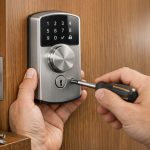
Once you’ve chosen the right lock, getting it installed correctly is just as important. A poorly installed lock can become a weak point, no matter how secure it’s supposed to be. Professional locksmiths bring the expertise and tools needed to ensure your lock performs as designed.
Sherlock’s Locksmith explains:
"Talking to us about what you want and need will help set a price based on how much work needs to be done." – Sherlock’s Locksmith
Certified locksmiths can assess your property’s specific risks and recommend the right ANSI grade. They also ensure that the installation meets manufacturer specifications, avoiding damage to doors or hardware. For example, Sherlock’s Locksmith in Pittsburgh, PA offers 24/7 mobile services with technicians trained to handle everything from lock installation and repair to rekeying and security consultations.
Professional installation also helps you comply with local building codes and insurance requirements. Many municipalities and insurance policies in the U.S. require a minimum ANSI grade – often Grade 2 or higher – for exterior doors. In the long run, expert installation not only enhances lock performance but also extends its lifespan. Plus, you’ll have access to maintenance and emergency support, avoiding costly mistakes or voided warranties.
Conclusion
ANSI lock standards take the uncertainty out of choosing the right lock. Instead of relying on flashy marketing or ambiguous descriptions, property owners can use these clear grading systems to understand the exact level of security and durability a lock provides. For instance, a Grade 1 lock is tested to endure 800,000 cycles and can withstand 10 strikes of 75 pounds of force. This clarity ensures you’re selecting a lock that matches your security needs, offering peace of mind by linking test results to real-world performance.
These standards guarantee that locks will perform reliably under the conditions for which they were designed, no matter the grade you choose.
However, even the best locks require proper installation to work effectively. Poor installation can undermine the performance of even the highest-grade locks. In Pittsburgh, PA, for example, Sherlock’s Locksmith offers professional lock selection and certified installation, using advanced tools to ensure maximum security and functionality.
ANSI-certified locks also provide long-term financial benefits. Their durability and resistance to tampering help reduce maintenance and repair costs. Additionally, many insurance policies and building codes now mandate specific ANSI grades, making certified locks essential for compliance and coverage. With fewer replacements, lower repair bills, and enhanced property protection, ANSI-certified locks prove to be a smart investment over time.
FAQs
What ANSI lock grade should I choose for my property?
Choosing the right ANSI lock grade comes down to how much security your property needs. Grade 1 locks are the toughest and most secure, making them perfect for commercial spaces or areas with heavy foot traffic. Grade 2 locks are a solid choice for homes or places that require medium-level security. Grade 3 locks are designed for basic protection and are often used for interior doors or low-risk areas.
Not sure which lock grade fits your needs? The certified technicians at Sherlock’s Locksmith in Pittsburgh, PA, can evaluate your property and recommend the best option to keep it secure.
How do ANSI lock grades affect costs, including installation?
When choosing a lock, ANSI grades can influence both the price of the lock and the installation costs. Grade 1 locks, known for their durability and security, tend to be more expensive than Grade 2 or Grade 3 options. Additionally, the complexity of the lock and the type of door can affect how much you’ll pay for installation.
If you’re looking for professional installation or need help selecting the right ANSI lock grade, Sherlock’s Locksmith offers dependable services to help safeguard your property.
Why is it important to have ANSI-certified locks professionally installed, and what are the risks of installing them yourself?
When it comes to ANSI-certified locks, professional installation is key to ensuring they work as they should and deliver the security they’re built to provide. Certified locksmiths have the training and tools to install these locks properly, reducing the chances of misalignment, damage, or weakened security features.
Attempting to install these locks yourself can lead to problems like a poor fit, shorter lock lifespan, or even security gaps that make the lock easier to tamper with. To safeguard your property and get the most out of your ANSI-certified lock, it’s wise to trust a skilled locksmith who knows the job inside and out.